What Are Acne Patches and Do They Work?  2026

What Are Acne Patches and Do They Work? 2026

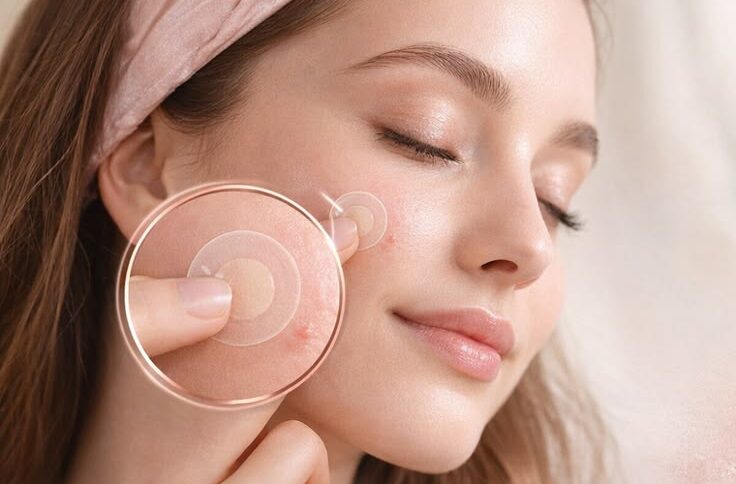
Acne patches work by deploying medical-grade hydrocolloid dressing technology to extract exudate, flatten surface whiteheads within 6 to 12 hours, and physically block cross-contamination and picking. According to commercial healthcare data from Grand View Research, the global acne patch market was valued at over USD 550 million in 2023 and is projected to expand at…
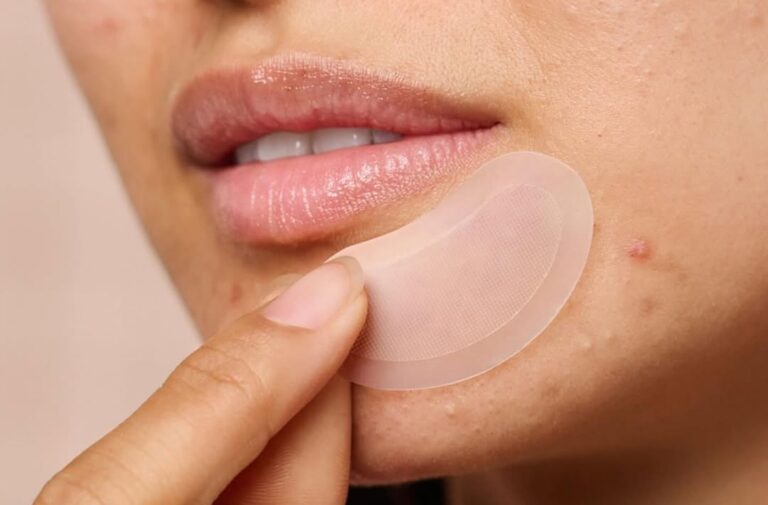
How Do Pimple Patches Work? The Science Behind the Sticker

How Do Pimple Patches Work? The Science Behind the Sticker

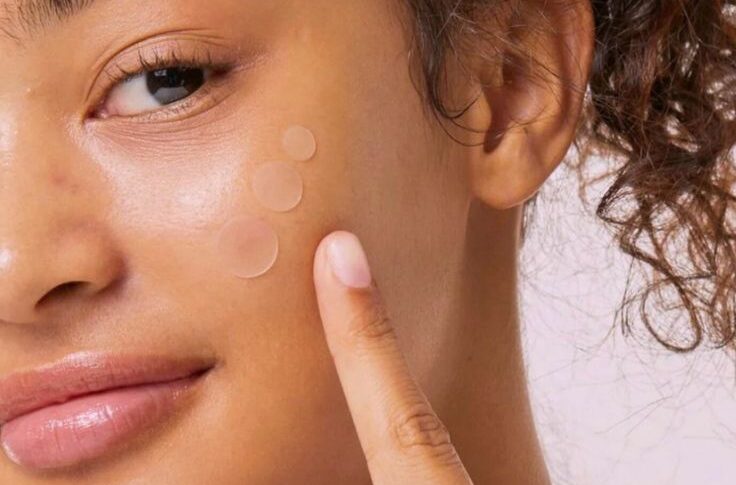
Pimple patches work through the biophysical principles of moist wound healing, utilizing a hydrophilic hydrocolloid dressing matrix to draw out exudate, pus, and sebum while forming a protective physical seal over the compromised pore. Clinical dermatology research published via the National Center for Biotechnology Information (NCBI) confirms that hydrocolloid dressings accelerate tissue re-epithelialization, reduce localized…

How Do Hydrocolloid Patches Work? The Science of Blemish Healing

How Do Hydrocolloid Patches Work? The Science of Blemish Healing

Hydrocolloid patches work through moist wound healing and osmotic capillary uptake, deploying hydrophilic polymers like sodium carboxymethyl cellulose to extract exudate, pus, and excess lipids while sealing open blemishes against outside contaminants. According to epidemiological dermatological data published by the American Academy of Dermatology (AAD), acne affects up to 50 million Americans annually, with over…

How Long to Leave a Pimple Patch On: A Complete Guide

How Long to Leave a Pimple Patch On: A Complete Guide

Pimple patches deliver optimal clinical extraction when left on for 6 to 8 hours, the physiological window required for medical-grade hydrocolloid dressing matrices to reach fluid saturation without causing epidermal maceration. Clinical wound management metrics documented by the National Center for Biotechnology Information (NCBI) show that semi-occlusive dressings optimize cellular migration within an 8-hour cycle;…

Are Pimple Patches Good? Dermatologist Insights & Guide

Are Pimple Patches Good? Dermatologist Insights & Guide

Pimple patches are highly effective spot treatments for superficial breakouts, utilizing medical-grade hydrocolloid dressing technology to draw out pus and sebum while forming an occlusive barrier against secondary bacterial infection and compulsive picking. Valued at over $510 million globally, the acne patch sector has expanded rapidly as consumers transition away from harsh, drying spot ointments…

What Is Hydrocolloid? How Hydrocolloid Patches Work for Acne

What Is Hydrocolloid? How Hydrocolloid Patches Work for Acne

Hydrocolloid is a moisture-retentive polymer dressing that accelerates acne recovery by drawing out inflammatory fluid, sebum, and pus while establishing an occlusive, sterile wound-healing microenvironment[cite: 1]. A landmark randomized controlled trial published via the National Center for Biotechnology Information (NCBI) demonstrated that hydrocolloid dressings produce statistically significant reductions in overall acne severity, erythema, and sebum…

Do Pimple Patches Work on Blackheads? What You Need to Know

Do Pimple Patches Work on Blackheads? What You Need to Know

Standard hydrocolloid pimple patches do not eliminate blackheads because they are mechanically engineered to absorb liquid exudate and pus, whereas blackheads are solid plugs of oxidized keratin and sebum. Dermatological data published by the Journal of Cosmetic Science demonstrates that while hydrocolloid dressings achieve statistically significant reductions in inflammation, redness, and casual sebum across inflammatory…

What to Do After Removing a Pimple Patch: Skincare Tips

What to Do After Removing a Pimple Patch: Skincare Tips

What you do immediately after removing a pimple patch determines whether the blemish heals cleanly or develops secondary inflammation, barrier damage, and permanent marks. Once a hydrocolloid dressing extracts the central plug of inflammatory fluid and purulent exudate, the newly uncovered tissue remains in a fragile, semi-occluded re-epithelialization phase. According to the American Academy of…

End of content

End of content