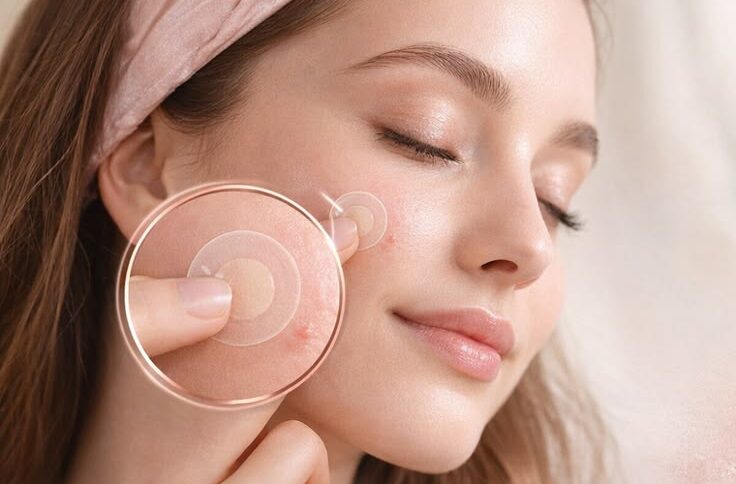
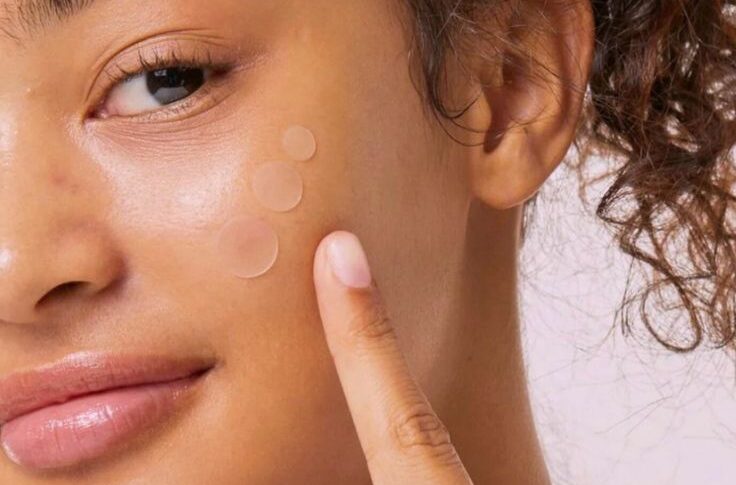
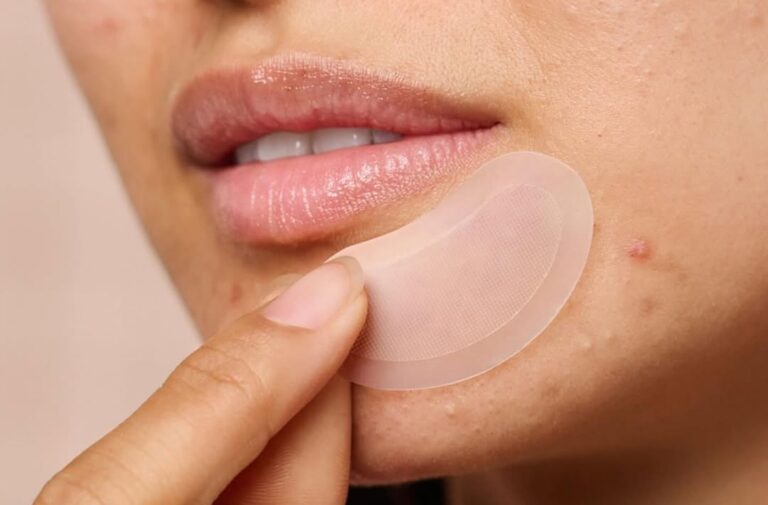
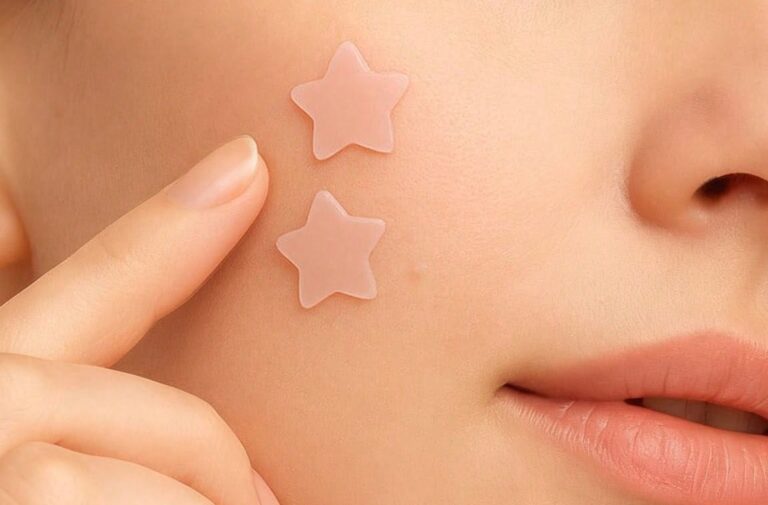
Standard hydrocolloid pimple patches do not eliminate blackheads because they are mechanically engineered to absorb liquid exudate and pus, whereas blackheads are solid plugs of oxidized keratin and sebum. Dermatological data published by the Journal of Cosmetic Science demonstrates that while hydrocolloid dressings achieve statistically significant reductions in inflammation, redness, and casual sebum across inflammatory lesions, non-inflammatory comedones lack the free-flowing moisture necessary to trigger capillary uptake. Understanding the biomechanical boundary between fluid absorption and lipid desquamation is critical for clearing stubborn follicular plugs without causing mechanical skin trauma.
Table of Contents
- 1. Comedones vs. Pustules: Why Lesion Pathophysiology Dictates Results
- 2. The Physics of Hydrocolloid: Why Solid Keratin Plugs Resist Extraction
- 3. Blemish Matrix: Comparing Hydrocolloid Efficacy Across Acne Types
- 4. Evidence-Based Blackhead Solutions: BHAs, Clays, and Retinoids
- 5. Harmful Practices to Avoid (Nose Strips, Scrubbing, Squeezing)
- 6. Conclusion: Choosing the Right Tool for Follicular Clarity
1. Comedones vs. Pustules: Why Lesion Pathophysiology Dictates Results
To evaluate whether a spot patch functions on a blemish, one must differentiate between inflammatory lesions and non-inflammatory impactions. In clinical dermatology, acne lesions are categorized by structural morphology and immune involvement:
- Inflammatory Lesions (Pustules, Papules, Cysts): Driven by follicular rupture, immune responses, and opportunistic proliferation of Cutibacterium acnes. These lesions generate inflammatory edema, white blood cell accumulation, and liquid purulence that sit under pressure close to the surface.
- Open Comedones (Blackheads): Formed when the pilosebaceous duct becomes impacted by abnormal follicular hyperkeratinization and cohesive sebum. The dark pigmentation is not trapped dirt; it is the biochemical result of melanin oxidation and lipid peroxidation upon contact with atmospheric oxygen.
FAQ: Can a hydrocolloid patch help prevent blackheads indirectly?
Minimally. While plain hydrocolloid can absorb excess superficial sebum pooling on the skin surface, it lacks the chemical ability to reach deep down into the pore funnel to break apart dense, compacted keratin plugs.
2. The Physics of Hydrocolloid: Why Solid Keratin Plugs Resist Extraction
From an adhesive engineering and materials science perspective, a hydrocolloid dressing operates via passive capillary action and osmotic diffusion. Suspended hydro-active dry polymers (such as sodium carboxymethyl cellulose) require free liquid moisture to initiate swelling and convert into a hydrated gel.
Because an open comedo consists of dense, wax-like, desquamated epithelial cells and lipid deposits with negligible liquid water content, the thermodynamic reaction that powers the patch cannot engage. The patch sits inertly over the open pore. While it effectively shields the pore from environmental dirt and prevents the wearer from picking at the site, removing the patch leaves the underlying comedo completely intact.
FAQ: What about medicated patches containing salicylic acid?
Medicated patches infused with lipid-soluble beta-hydroxy acids (BHA) can gradually soften cohesive comedones by delivering peeling actives under occlusion. However, loose leave-on chemical exfoliants remain far more cost-effective and structurally suited for widespread blackhead management.
3. Blemish Matrix: Comparing Hydrocolloid Efficacy Across Acne Types
Selecting the correct skincare protocol requires matching the delivery mechanism to the physical state of the blemish:
| Blemish Presentation | Core Impaction Composition | Patch Performance | Optimal Treatment Strategy |
|---|---|---|---|
| Open Comedones (Blackheads) | Solid oxidized sebum & dead corneocytes | Ineffective | Lipophilic chemical exfoliants (Salicylic acid / BHA) and clay masks. |
| Closed Comedones (Whiteheads) | Trapped keratin under closed stratum corneum | Ineffective | Topical retinoids (Adapalene) to normalize follicular turnover. |
| Superficial Pustules | Free liquid pus, necrotic debris, serous fluid | Optimal Peak Efficacy | Apply non-medicated hydrocolloid patches for 6 to 8 hours to drain fluid. |
| Deep Cystic Nodules | Subterranean dermal inflammation | Ineffective (Standard) | Dissolving microneedling dart arrays or professional dermatological intervention. |
4. Evidence-Based Blackhead Solutions: BHAs, Clays, and Retinoids
Because blackheads are solid plugs rooted inside the follicular infundibulum, clinical resolution requires targeted biochemical agents capable of breaking lipid bonds and desquamating compact cellular walls:
- Salicylic Acid (BHA 1%–2%): Unlike water-soluble alpha-hydroxy acids (AHAs), salicylic acid is oil-soluble. It directly penetrates the sebaceous unit, dissolving intercellular lipids, unsticking compacted dead cells, and liquefying pore-clogging debris.
- Topical Retinoids (Adapalene / Tretinoin): Considered the gold standard for comedonal acne according to the Mayo Clinic. Retinoids downregulate desquamation errors, preventing cellular debris from compacting within the follicle in the first place.
- Kaolin and Bentonite Clay Formulations: High-adsorption mineral clays bind surface oils and sebum residues through ionic charge, drawing out impurities and softening stubborn comedonal plugs without stripping barrier moisture.
- Exfoliating Toner Pads: Pre-soaked pads containing low-percentage polyhydroxy acids (PHAs) or mild BHAs provide gentle, regular mechanical and chemical sweeps across the skin surface to clear dead cells before impaction occurs.
5. Harmful Practices to Avoid (Nose Strips, Scrubbing, Squeezing)
Attempting to aggressively remove solid plugs using improper mechanical methods often causes permanent micro-vascular and textural damage:
| Harmful Technique | Observed Skin Damage | Recommended Clinical Alternative |
|---|---|---|
| Manual Squeezing & Picking | Ruptures follicular walls, creates broken capillaries, and converts non-inflammatory blackheads into painful inflammatory pustules. | Professional sterile extraction by a licensed medical aesthetician or dermatologist. |
| Adhesive Pore Nose Strips | Tears superficial stratum corneum, induces rebound sebaceous overproduction, and fails to treat the root cause of impactions. | Consistent application of 2% leave-on BHA solutions across the T-zone. |
| Abrasive Physical Scrubs | Causes micro-tears in the epidermal barrier, triggering cutaneous inflammation and chronic dehydration. | Gentle enzymatic cleansers or low-percentage chemical peeling toners. |
6. Conclusion: Choosing the Right Tool for Follicular Clarity
While hydrocolloid pimple patches are unmatched spot treatments for draining purulent pustules and healing ruptured blemishes, they are fundamentally ineffective for resolving blackheads. Blackheads represent non-inflammatory, solid impactions that require chemical lipid breakdown rather than passive fluid absorption.
For clear, uncompromised skin, assign each technology to its intended physiological role: deploy hydrocolloid patches to isolate and decompress acute inflammatory whiteheads, while relying on regular salicylic acid treatments, topical retinoids, and weekly clay masks to dissolve solid comedones and keep pores clear over the long term.
Industry References & Data Sources:
- Journal of Cosmetic Science: Randomized Clinical Evaluation of Hydrocolloid Acne Dressings
- Mayo Clinic: Acne Diagnosis, Comedone Pathophysiology & Evidence-Based Treatments
- Wikipedia: Comedo (Blackhead & Whitehead) Etiology
- Wikipedia: Hydrocolloid Dressing Polymer Mechanics
- Wikipedia: Carboxymethyl Cellulose Absorption Properties