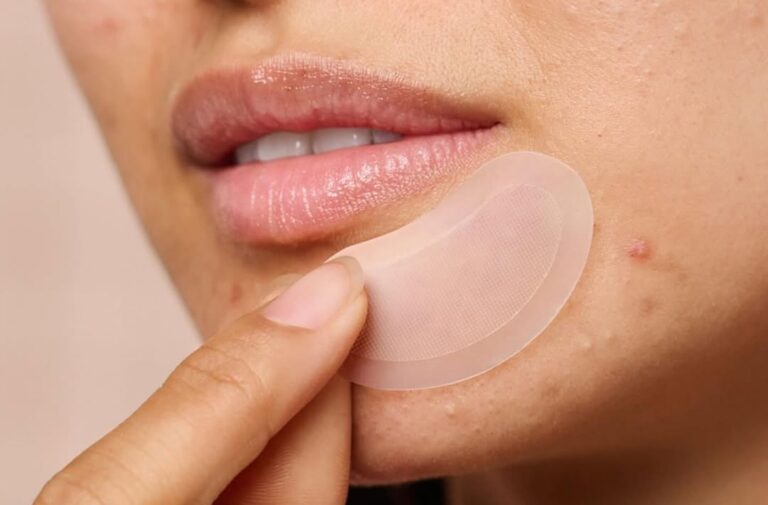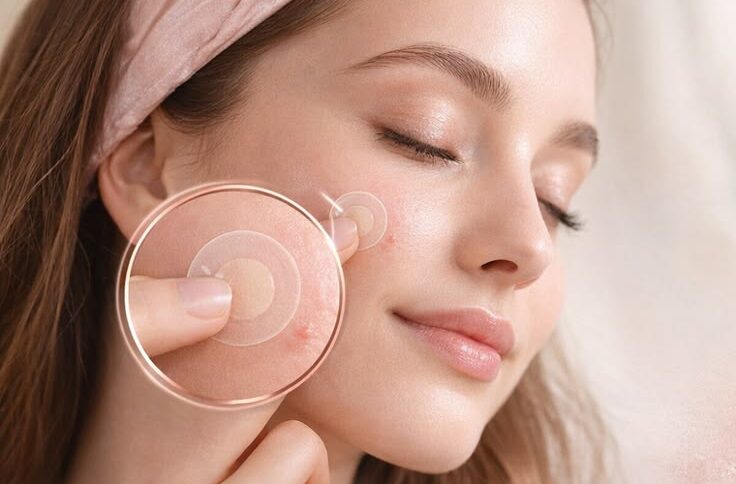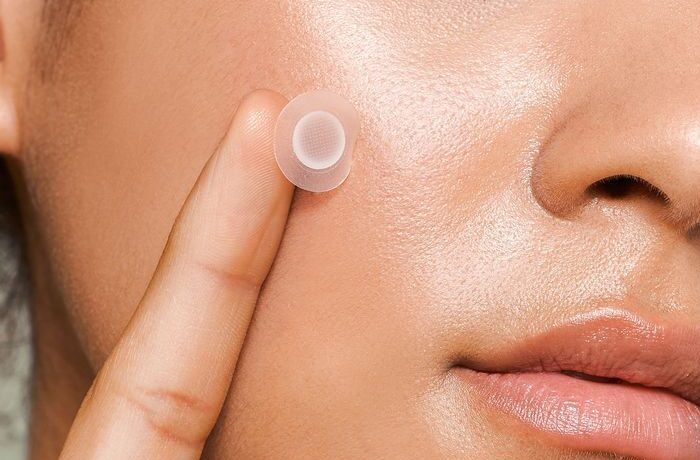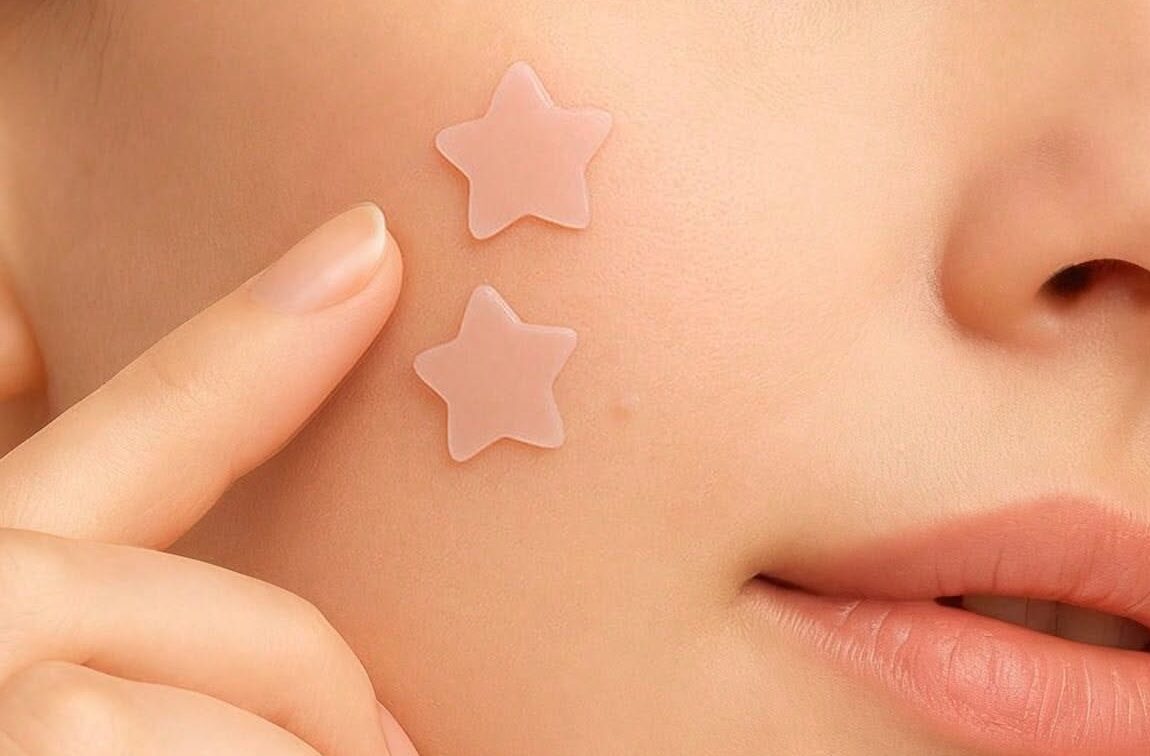
Hydrocolloid is a moisture-retentive polymer dressing that accelerates acne recovery by drawing out inflammatory fluid, sebum, and pus while establishing an occlusive, sterile wound-healing microenvironment[cite: 1]. A landmark randomized controlled trial published via the National Center for Biotechnology Information (NCBI) demonstrated that hydrocolloid dressings produce statistically significant reductions in overall acne severity, erythema, and sebum levels on days 3, 5, and 7 compared to conventional tapes[cite: 1]. Originally developed for chronic ulcers and surgical sites, hydrocolloid technology bridges clinical wound care and modern spot management by converting extracted fluid into an inert gel while shielding vulnerable skin from fingernail trauma[cite: 1].
Table of Contents
- 1. What Is Hydrocolloid? Origins, Material Composition & Polymers
- 2. How Hydrocolloid Patches Work on Active Acne Blemishes
- 3. Clinical Evidence: What Controlled Trials Reveal About Efficacy
- 4. Blemish Compatibility: Which Lesions Respond (and Which Do Not)
- 5. Step-by-Step Application Protocol for Maximum Drainage
- 6. Contraindications, Adhesive Allergies & Occlusion Risks
- 7. Conclusion: The Clinical Place of Hydrocolloid in Skin Health
1. What Is Hydrocolloid? Origins, Material Composition & Polymers
From an industrial and biomaterial perspective, a hydrocolloid dressing is an advanced moisture-retentive dressing originally engineered in the 1980s for managing chronic pressure ulcers, stasis wounds, and post-surgical excisions[cite: 1]. Historically, wound treatment relied on dry gauze. However, modern medical consensus established that dry gauze causes tissue desiccation and adheres to the wound bed, often tearing newly formed epithelial tissue upon removal.
Hydrocolloid formulations solve this by suspending hydrophilic polymers—such as pectin, gelatin, or plant-derived cellulose gums—within an adhesive synthetic elastomer matrix, laminated beneath a semi-permeable polyurethane outer backing[cite: 1]. When exposed to liquid exudate, these dry hydrophilic particles hydrate and swell into an cohesive, insulating gel[cite: 1].
FAQ: Are all acne patches made of hydrocolloid?
No[cite: 1]. While hydrocolloid patches are designed specifically to physically absorb liquid exudate and pus, other over-the-counter patches are single-layer film carriers formulated solely to deliver topical actives like tea tree oil or salicylic acid[cite: 1].
2. How Hydrocolloid Patches Work on Active Acne Blemishes
An inflammatory acne blemish is biologically comparable to a minor epidermal puncture or open wound containing cellular fluid, bacterial toxins, and excess sebum. Hydrocolloid spot stickers manage this localized trauma through four simultaneous mechanical functions[cite: 1]:
- Fluid and Pus Extraction: The internal absorbent layer draws out pus, excess sebum, and serous drainage from weeping or open pimples through capillary action, converting it into a soft gel pocket[cite: 1].
- Maintenance of Moist Wound Balance: By insulating the wound bed, the patch keeps natural enzymes active and cellular migration fluid, preventing crusty scabs from forming[cite: 1].
- Physical Antimicrobial Defense: The flexible outer polyurethane film provides an impermeable barrier that seals the pore against environmental airborne pollutants, grime, and secondary bacterial contamination[cite: 1].
- Trauma Mitigation: Covering the lesion physically blocks compulsive finger picking and fingernail squeezing, significantly reducing tissue tearing and post-blemish scarring[cite: 1].
3. Clinical Evidence: What Controlled Trials Reveal About Efficacy
Dermatological trials substantiate that hydrocolloid patches deliver measurable improvements over traditional dry tape or plain cleansing protocols[cite: 1]. Below is a comparative breakdown of key clinical performance metrics compiled from controlled acne dressing studies[cite: 1]:
| Evaluated Parameter | Standard Care / Medical Tape | Hydrocolloid Patch Performance | Observed Clinical Significance |
|---|---|---|---|
| Ruptured Lesion Appearance | Standard gradual crusting | Rapid smoothing & crust reduction | Statistically significant overall wound improvement by Day 1 (p=0.001) and Day 4 (p=0.007). |
| Inflammatory Erythema | Prolonged localized redness[cite: 1] | Marked redness reduction[cite: 1] | Demonstrates superior control of superficial microvascular flushing on Days 3, 5, and 7[cite: 1]. |
| Sebum & Oil Regulation | Normal surface lipid accumulation[cite: 1] | Active lipid absorption[cite: 1] | Maintains significantly lower localized casual sebum levels throughout 7-day trials[cite: 1]. |
| UV & Radiation Shielding | Minimal to zero UV protection[cite: 1] | Enhanced UV filtration[cite: 1] | Blocks secondary ultraviolet exposure, mitigating post-inflammatory hyperpigmentation[cite: 1]. |
4. Blemish Compatibility: Which Lesions Respond (and Which Do Not)
Because hydrocolloid works through physical fluid absorption rather than chemical cellular regulation, it cannot be applied as a universal spot solution for every breakout type[cite: 1]:
- Open Pustules & Weeping Blemishes: Ideal[cite: 1]. The broken epidermis allows direct access for the hydrophilic matrix to suck up inflammatory discharge and flatten raised swelling overnight[cite: 1].
- Accidentally Picked or Popped Pimples: Highly responsive. Rather than forming a rough scab, the patch debrides the open pore, keeps the wound hydrated, and promotes smoother texture.
- Blackheads & Closed Comedones: Ineffective[cite: 1]. Blackheads consist of oxidized plugs of hardened sebum and dead keratin cells lacking fluid discharge; they require chemical exfoliants (like salicylic acid) rather than absorption[cite: 1].
- Deep Cystic & Hormonal Acne: Ineffective[cite: 1]. Cystic nodules reside deep within the dermis under closed skin layers; passive hydrocolloid cannot draw fluid through intact, thick tissue[cite: 1].
FAQ: Can hydrocolloid patches prevent future acne breakouts?
No[cite: 1]. Hydrocolloids are strictly reactive spot treatments for existing superficial wounds[cite: 1]. They do not regulate systemic hormonal fluctuations, sebum overproduction, or internal follicular keratinization[cite: 1].
5. Step-by-Step Application Protocol for Maximum Drainage
To establish a secure seal and maximize fluid absorption capacity, apply hydrocolloid patches following this precise sequence[cite: 1]:
- Cleanse the Target Site: Wash hands thoroughly. Cleanse the blemish and surrounding face with a gentle cleanser to remove makeup, dirt, and excess oil[cite: 1].
- Dry the Skin 100%: Pat the skin completely dry with a clean towel[cite: 1]. Pressure-sensitive hydrocolloid adhesive cannot adhere to moist surfaces.
- Apply to Bare Skin: Place the patch sticky-side down, centered directly over the blemish before applying any moisturizers, emulsions, or facial oils.
- Secure the Edges: Gently press down on the patch for 5 to 10 seconds to activate the pressure-sensitive adhesive and seal the perimeter.
- Wear & Replace: Leave the sticker on for 6 to 8 hours or overnight. Gently peel it off and discard once the central zone turns opaque white, signaling fluid saturation.
6. Contraindications, Adhesive Allergies & Occlusion Risks
While hydrocolloid dressings provide high clinical utility, they present specific manufacturing and dermatological boundaries that users must recognize[cite: 1]:
| Clinical Risk Factor | Physiological Impact & Precautions |
|---|---|
| Hypersensitive / Reactive Skin | The mechanical tack of synthetic adhesives can pull delicate epidermal cells upon removal, causing dryness, redness, or contact dermatitis[cite: 1]. |
| Anaerobic Microenvironments | Fully sealing a closed, un-drained lesion blocks oxygen transfer, which can theoretically foster anaerobic bacterial proliferation in compromised tissue. |
| Active Spreading Infections | Occlusive dressings should never replace prescription antibiotics or clinical care on infected, inflamed wounds[cite: 1]. |
7. Conclusion: The Clinical Place of Hydrocolloid in Skin Health
Hydrocolloid technology offers a practical, scientifically validated solution for managing acute, weeping blemishes and popped pimples[cite: 1]. By combining osmotic exudate absorption, moist tissue repair, and an impenetrable barrier against environmental bacteria and fingers, these patches significantly flatten surface spots and prevent scarring[cite: 1].
However, hydrocolloid patches should be viewed as an emergency spot tool rather than a standalone cure for acne[cite: 1]. For closed comedones, deep cysts, and long-term blemish prevention, integrate patches into a comprehensive dermatological regimen alongside salicylic acid, gentle cleansers, and professional guidance[cite: 1].
Industry References & Data Sources:
- NCBI / PubMed: Hydrocolloid Occlusive Dressing in the Treatment of Facial Acne Vulgaris[cite: 1]
- Wikipedia: Hydrocolloid Dressing Technical Background[cite: 1]
- Wikipedia: Pectin Polymer Characteristics
- Wikipedia: Gelatin Gel Formation in Medical Dressings[cite: 1]