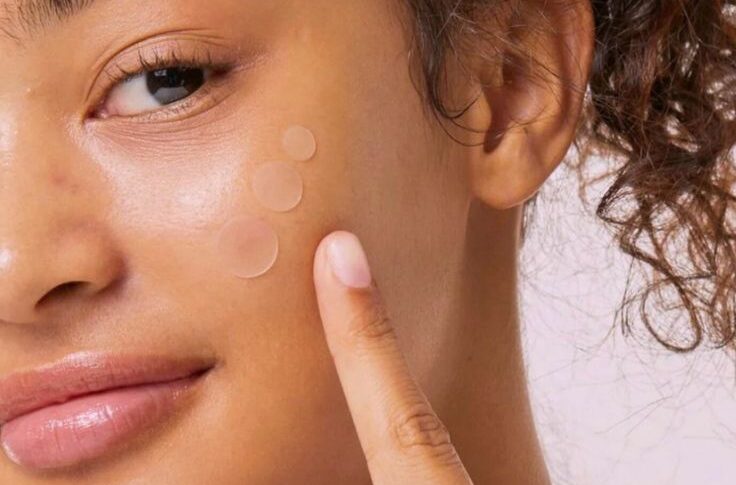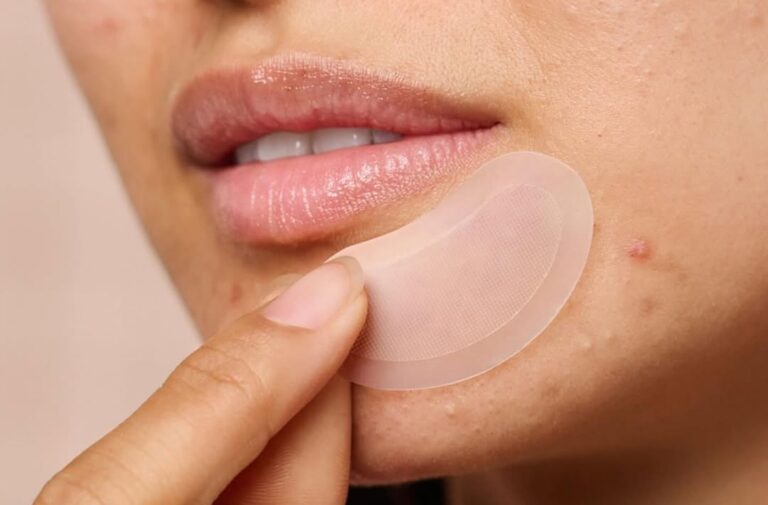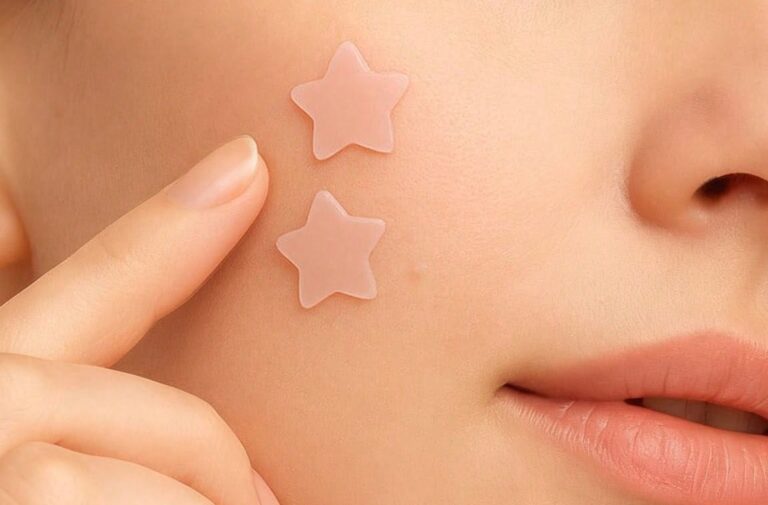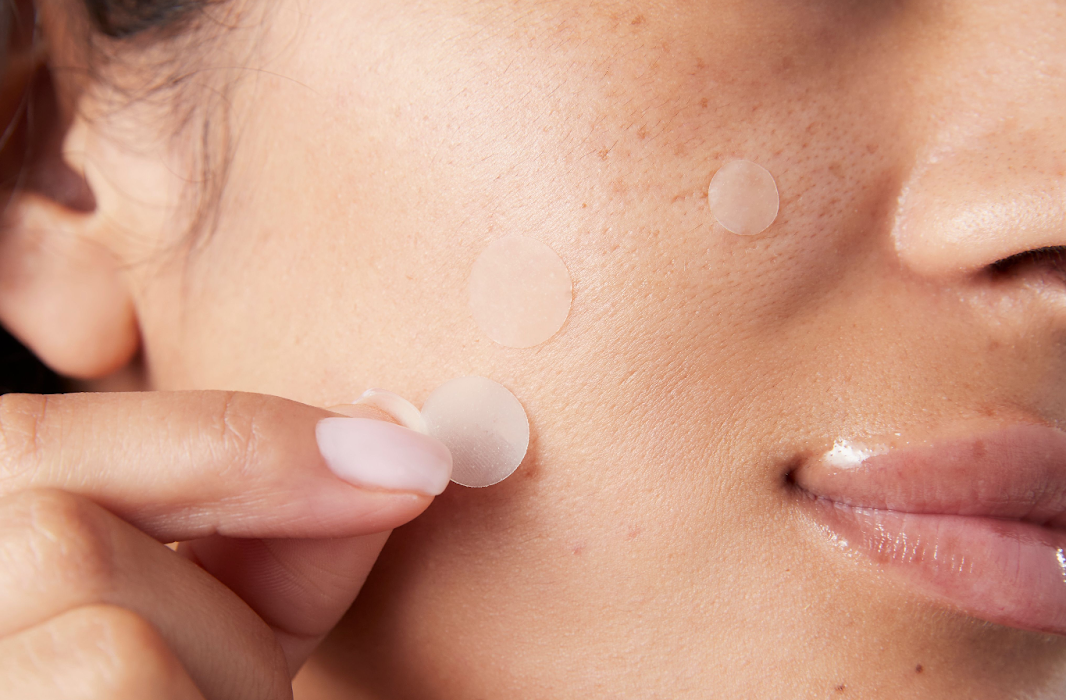
Pimple patches deliver optimal clinical extraction when left on for 6 to 8 hours, the physiological window required for medical-grade hydrocolloid dressing matrices to reach fluid saturation without causing epidermal maceration. Clinical wound management metrics documented by the National Center for Biotechnology Information (NCBI) show that semi-occlusive dressings optimize cellular migration within an 8-hour cycle; exceeding 12 hours yields zero additional fluid draw while escalating contact dermatitis risks. Understanding proper contact duration, circadian skin rhythms, and peel-off mechanics ensures rapid blemish flattening without damaging the surrounding stratum corneum.
Table of Contents
- 1. Optimal Wearing Duration: The 6–8 Hour Rule Explained
- 2. Overnight Healing vs. Daytime Shielding: Circadian Mechanics
- 3. Saturation Indicators: When to Remove or Replace
- 4. Step-by-Step Application Protocol for Zero Edge-Lifting
- 5. Target Lesion Types: Surface Pustules vs. Subterranean Cysts
- 6. Critical Mistakes to Avoid (Moisture, Squeezing & Over-Wearing)
- 7. Conclusion: Balancing Occlusion and Barrier Health
1. Optimal Wearing Duration: The 6–8 Hour Rule Explained
From an adhesive engineering and dermal absorption standpoint, hydrocolloid material operates on a finite fluid absorption curve. The hydrophilic polymers—principally sodium carboxymethyl cellulose—expand as they pull exudate, pus, and sebum up through capillary tension. Once these polymer chains hydrate fully, capillary draw ceases.
Leaving a single sticker on longer than necessary does not extract deeper impurities; instead, it traps spent fluid against the skin and weakens the pressure-sensitive adhesive backing.
| Wearing Timeframe | Clinical Status | Actionable Recommendation |
|---|---|---|
| 6 to 8 Hours | Optimal Peak Efficacy | Prime therapeutic window for fluid absorption, wound debridement, and blemish flattening. |
| 8 to 12 Hours | Acceptable / Full Overnight | Permissible during undisturbed sleep cycles; peel off immediately upon waking. |
| 12 to 24+ Hours | Not Recommended | High risk of skin maceration, adhesive hypersensitivity, and bacterial entrapment. Replace if needed. |
FAQ: How often can I use pimple patches during the week?
You can apply patches as needed whenever active, fluid-filled blemishes erupt—typically 1 to 3 times per week per targeted area. If a blemish still drains after removal, cleanse the site thoroughly, allow it to dry completely, and apply a fresh patch for another 6-hour cycle.
2. Overnight Healing vs. Daytime Shielding: Circadian Mechanics
The debate between overnight and daytime patch wear is defined by differing therapeutic goals rather than product effectiveness. Both modalities serve distinct clinical functions:
- Overnight Application (Accelerated Drainage & Healing): Dermal cell proliferation and blood flow peak between 11:00 PM and 4:00 AM. In this resting state, absent of facial cosmetics, UV exposure, and midday facial sebum flow, hydrocolloid polymers work undisturbed alongside natural cellular repair cycles.
- Daytime Application (Physical Barrier & Picking Defense): While daytime sweat and facial oiliness can weaken adhesive shear strength, ultra-thin polyurethane patches act as a sterile shield. They block opportunistic touch contamination, seal active wounds away from environmental pollution, and prevent involuntary fingernail trauma.
FAQ: Can I wear makeup over my pimple patch during the day?
Yes. Apply an ultra-thin, matte-finish patch to clean, dry skin first. When applying foundation or concealer over the sticker, use a gentle stippling or tapping motion rather than dragging a makeup brush, which curls up adhesive edges.
3. Saturation Indicators: When to Remove or Replace
You do not need a stopwatch to determine when a patch has completed its lifecycle; the visual swelling behavior of the adhesive matrix provides direct confirmation:
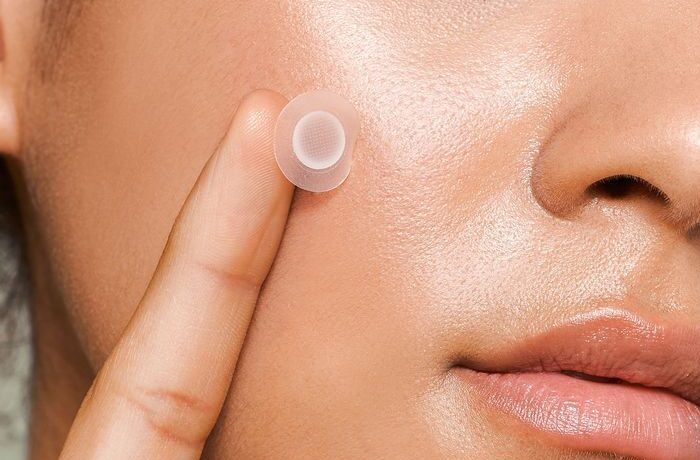
- Cloudy or Raised Core: As the internal polymers bind exudate, the transparent patch turns cloudy and forms an opaque, raised white bubble over the drainage hole.
- Loss of Central Tack: The saturated central zone detaches from the wound base while outer adhesive rings remain anchored, showing fluid capture has reached volumetric capacity.
- Edge Lifting: When facial sebum migrates beneath the perimeter borders, seal integrity is compromised, requiring prompt removal to avoid bacterial infiltration.
4. Step-by-Step Application Protocol for Zero Edge-Lifting
In medical manufacturing, pressure-sensitive adhesives rely strictly on surface energy. To prevent lifting and maximize the full 6–8 hour absorption lifecycle, follow this clinical sequence:
- Decontaminate and Degrease: Cleanse the target site with a gentle, residue-free facial wash to remove excess sebum and surface debris.
- Verify 100% Dry Skin: Pat the skin completely dry. Moisture remains the primary driver of premature adhesive detachment.
- Zero Pre-Actives: Do not place acidic toners, serums, or heavy emollient moisturizers over the blemish prior to application; product residues ruin adhesive tack.
- Direct Placement & Pressure: Align the center of the patch over the blemish core. Press down firmly for 10 to 15 seconds to thermo-activate the polymer bond.
- Regimen Positioning: Apply patches before daytime cosmetics, or apply as the final targeted step in your nighttime routine around dry, localized blemish areas.
- Aseptic Removal Technique: Rather than yanking the sticker outward—which can tear fragile regenerating skin—gently lift one outer rim and peel parallel along the skin surface.
5. Target Lesion Types: Surface Pustules vs. Subterranean Cysts
Hydrocolloid patches do not function identically across different stages of acne vulgaris. Their physical absorption requires a fluid path through the upper epidermis:
| Acne Classification | Lesion Morphology | 6–8 Hr Patch Efficacy | Mechanism of Response |
|---|---|---|---|
| Mature Whiteheads & Pustules | Visible yellow/white head with elevated surface fluid | High (Optimal) | Porous surface enables immediate capillary drainage and overnight flattening. |
| Popped / Weeping Lesions | Ruptured epidermis with active serous fluid leakage | High (Protective) | Absorbs drainage, prevents hard scabs, and cuts hyperpigmentation risk. |
| Closed Comedones & Papules | Flesh-toned or red bumps lacking a fluid-filled head | Low to Moderate | Extracts negligible pus; serves mostly as a physical shield against picking. |
| Cystic & Nodular Breakouts | Deep, painful subterranean lesions situated in dermis | Ineffective | Standard hydrocolloid cannot penetrate intact dermis; requires clinical evaluation. |
6. Critical Mistakes to Avoid (Moisture, Squeezing & Over-Wearing)
To avoid worsening localized inflammation or weakening skin barrier integrity, steer clear of these standard usage errors:
- Applying on Moist or Pre-Oiled Skin: Even minor moisture films ruin adhesive seals, causing the patch to slip within an hour.
- Wearing the Same Patch for Over 12 Hours: Once saturated, the hydrocolloid matrix cannot absorb more fluid. Trapping trapped exudate under occlusion can cause redness or irritation.
- Aggressively Squeezing Before Application: Never aggressively pop or scrape a blemish before applying a patch. Excessive trauma damages dermal microvasculature, extending redness and downtime.
- Dry-Yanking Off Fragile Skin: If an adhesive sticks stubbornly, place a warm, damp cotton round over it for 30 seconds to break the bond smoothly without stripping new skin cells.
7. Conclusion: Balancing Occlusion and Barrier Health
Leaving a pimple patch on for 6 to 8 hours achieves the ideal balance of capillary fluid extraction and protective wound occlusion. This timeframe allows hydrocolloid polymers to clear superficial whiteheads and drained lesions while keeping the surrounding skin intact.
Use patches as a focused emergency tool within a wider, preventative skincare regimen. By applying them to completely clean, dry skin—overnight for intensive healing, or during the day for physical defense—you protect your skin barrier and speed recovery without picking-induced scars.
Industry References & Data Sources:
- National Center for Biotechnology Information (NCBI): Wound Dressings and Principles of Healing
- American Academy of Dermatology: Acne Prevalence Statistics and Clinical Overview
- Wikipedia: Hydrocolloid Dressing Technical Background
- Wikipedia: Carboxymethyl Cellulose Polymer Dynamics
- Wikipedia: Acne Vulgaris Pathophysiology