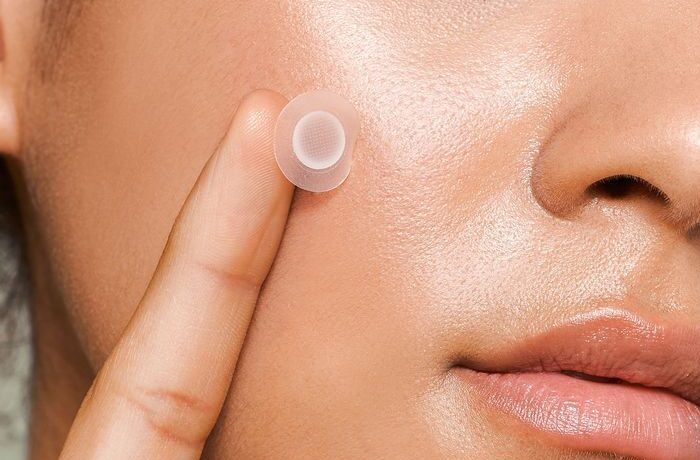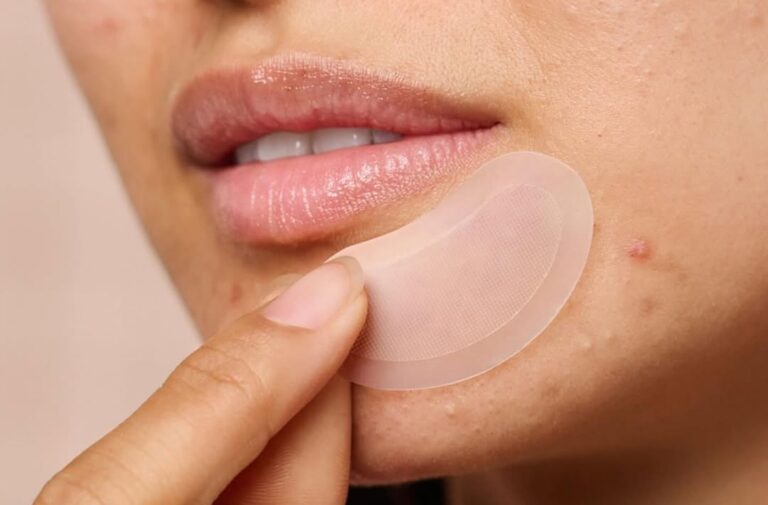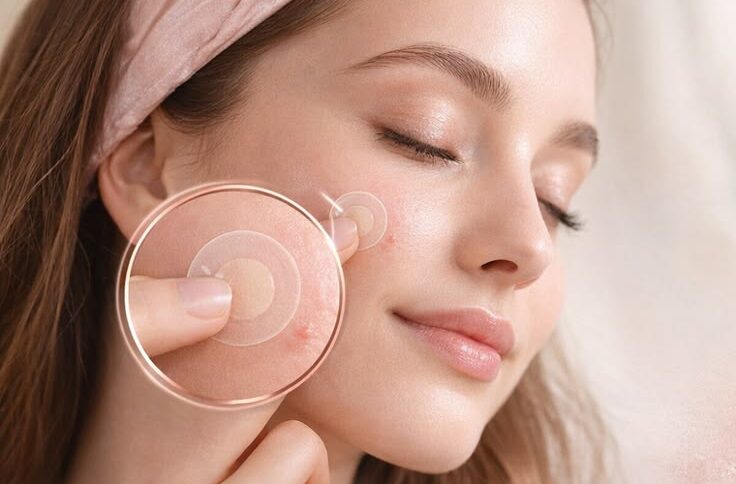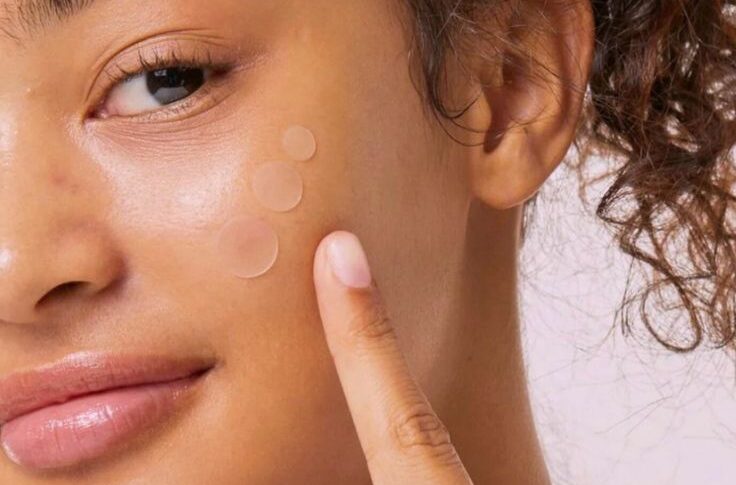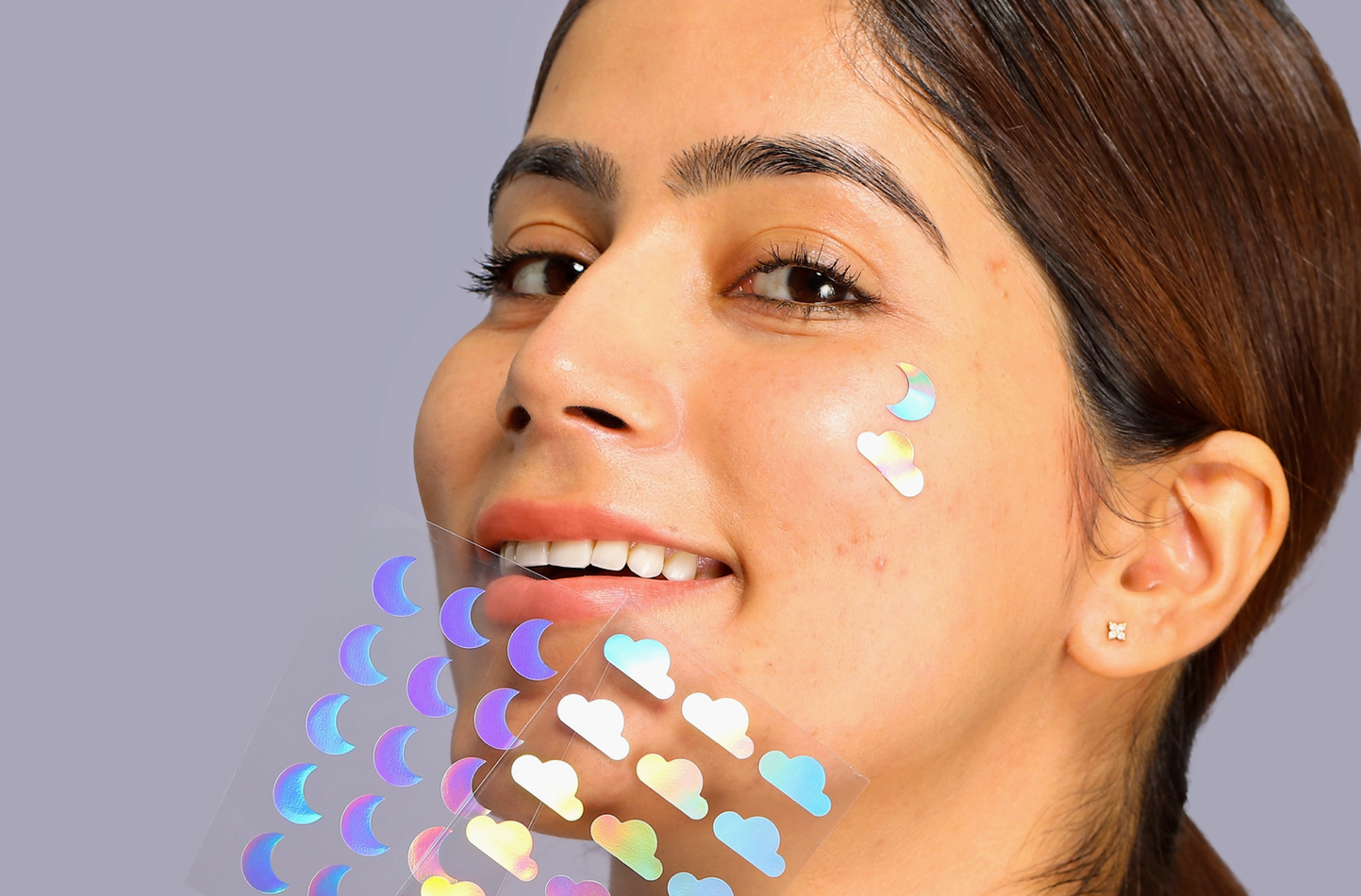
Pimple patches are highly effective spot treatments for superficial breakouts, utilizing medical-grade hydrocolloid dressing technology to draw out pus and sebum while forming an occlusive barrier against secondary bacterial infection and compulsive picking. Valued at over $510 million globally, the acne patch sector has expanded rapidly as consumers transition away from harsh, drying spot ointments toward localized wound-healing science. While hydrocolloid stickers accelerate re-epithelialization and flatten mature whiteheads within 6 to 12 hours, they are targeted tactical aids rather than a systemic cure for widespread or cystic acne vulgaris.
Table of Contents
- 1. The Core Mechanism: How Hydrocolloid Draws Out Impurities
- 2. Types of Patches: Non-Medicated, Medicated & Microneedle
- 3. Blemish Compatibility: Which Lesions Respond Best?
- 4. Formulations & Additives: Salicylic Acid, Tea Tree & Niacinamide
- 5. Dermatologist Best Practices for Maximum Adhesion & Safe Removal
- 6. Clinical Boundaries: Why Patches Cannot Replace Full Care Routines
- 7. Conclusion: The Real Dermatological Verdict on Pimple Patches
1. The Core Mechanism: How Hydrocolloid Draws Out Impurities
From a manufacturing standpoint, pimple patches are miniature adaptations of clinical dressings originally formulated for chronic ulcers, donor sites, and surgical excisions. The patch structure features an outer semi-permeable polyurethane backing and an inner adhesive matrix rich in hydrophilic polymers, such as carboxymethyl cellulose, gelatin, or pectin.
These polymers contain high densities of hydrophilic hydroxyl (-OH) groups that exert osmotic capillary force. When positioned over an active lesion, the internal hydrocolloid absorbs excess sebum, inflammatory exudate, and purulent drainage, converting the trapped fluid into an inert, opaque white gel. Concurrently, the waterproof polyurethane backing blocks environmental contaminants, stabilizes the natural moisture balance required for enzymatic tissue regeneration, and eliminates the physical urge to squeeze or pick.
FAQ: Can pimple patches actually prevent permanent acne scars?
Yes, primarily through trauma prevention. Squeezing or picking blemishes tears the dermal architecture, worsening localized inflammation and accelerating post-inflammatory hyperpigmentation (PIH). The adhesive barrier acts as a physical shield against mechanical finger trauma.
2. Types of Patches: Non-Medicated, Medicated & Microneedle
Pimple patches are categorized based on their functional layers and active drug-delivery systems:
| Patch Type | Structural & Chemical Matrix | Primary Dermatological Target |
|---|---|---|
| Non-Medicated Hydrocolloid | Pure hydrocolloid polymer matrix without active drug infusions. | Draining pustules, surface whiteheads, and open, popped blemishes. |
| Medicated Topical Patch | Hydrocolloid vehicle infused with keratolytic and anti-inflammatory actives. | Early-stage inflammatory papules and surface bacterial congestion. |
| Self-Dissolving Microneedle | Biodegradable micro-dart arrays designed to bypass the stratum corneum. | Early sub-surface bumps, early deep nodules, and stubborn closed comedones. |
3. Blemish Compatibility: Which Lesions Respond Best?
The clinical efficacy of a pimple patch depends directly on the depth of the lesion. Because standard hydrocolloid relies on physical fluid absorption, it requires an open or permeable channel into the pore:
| Blemish Category | Clinical Characteristics | Patch Performance | Underlying Mechanism |
|---|---|---|---|
| Surface Whiteheads & Pustules | Elevated, yellow/white purulent head near the skin surface. | High (Optimal) | Easily pulls inflammatory fluid into the hydrocolloid matrix. |
| Ruptured / Popped Pimples | Compromised skin with active serous weeping. | High (Protective) | Absorbs drainage, prevents crusting, and seals out bacteria. |
| Deep Cystic & Hormonal Acne | Painful subcutaneous nodules deep within the dermis. | Low / Ineffective | Pathology lies too deep for surface capillary absorption. |
| Blackheads (Open Comedones) | Plugs of oxidized sebum and dense dead keratin cells. | Ineffective | Lacks liquid exudate; requires chemical keratolysis rather than absorption. |
4. Formulations & Additives: Salicylic Acid, Tea Tree & Niacinamide
Modern adhesive formulations integrate pharmaceutical-grade actives directly into the polymer adhesive layer:
- Salicylic Acid (BHA): An oil-soluble chemical exfoliant that dissolves cellular debris and clears pore impactions.
- Tea Tree Oil (Melaleuca alternifolia): A natural antimicrobial agent that helps control C. acnes proliferation and reduce localized swelling.
- Niacinamide (Vitamin B3): Downregulates sebum production, calms microvascular erythema, and supports skin barrier repair.
- Hyaluronic Acid: Replenishes epidermal hydration, counteracting the localized dryness and peeling caused by keratolytic agents.
- Benzoyl Peroxide: An antibacterial agent that introduces oxygen into the pore to neutralize anaerobic bacteria.
FAQ: Can medicated patches trigger allergic reactions or contact dermatitis?
Yes. While non-medicated hydrocolloid is hypoallergenic, medicated versions with concentrated tea tree oil or salicylic acid—as well as lower-grade acrylic adhesives or latex—can cause localized contact dermatitis and erythema on sensitive skin.
5. Dermatologist Best Practices for Maximum Adhesion & Safe Removal
To ensure strong adhesion and clean fluid extraction, follow this application routine:
- Cleanse the Target Site: Wash the skin with a gentle cleanser to remove excess surface sebum, makeup, and dirt.
- Ensure 100% Dry Skin: Pat dry thoroughly. Moisture on the stratum corneum disrupts the tack of pressure-sensitive adhesives.
- Apply Directly to Bare Skin: Place the patch directly onto the skin before applying heavy moisturizers or oils, which weaken the adhesive boundary.
- Optimal Wear Time: Leave the sticker undisturbed for 6 to 12 hours (or overnight) to allow full fluid saturation.
- Gentle Warm-Water Removal: Avoid pulling upward aggressively. If the patch sticks firmly, apply a warm, damp compress to loosen the adhesive without irritating healing skin.
6. Clinical Boundaries: Why Patches Cannot Replace Full Care Routines
Pimple patches serve as an effective spot treatment, but they are not an all-in-one replacement for comprehensive dermatological care:
- No Preventative Impact: Hydrocolloids absorb existing fluids reactively; they do not regulate follicular hyperkeratinization or systemic androgenic sebum production.
- Ineffective for Widespread Breakouts: Managing full-face or persistent inflammatory acne requires systemic or topical solutions, such as retinoids (adapalene) or combination therapies like benzoyl peroxide and clindamycin.
- Risk of Anaerobic Trapping: Sealing closed blemishes for too long can block oxygen transfer, which may encourage anaerobic bacteria to thrive in compromised pores.
7. Conclusion: The Real Dermatological Verdict on Pimple Patches
Pimple patches are an effective, clinically proven tool for managing acute, superficial breakouts. By extracting purulent fluid, accelerating tissue repair through moist wound healing, and shielding lesions from fingernail trauma, they help blemishes heal faster while minimizing long-term scarring risks.
However, patches are an auxiliary spot treatment rather than a permanent cure for acne. For deep, cystic, or hormonal breakouts across larger areas, pair them with consistent cleansing habits, targeted active topicals, and guidance from a board-certified dermatologist.
Industry References & Data Sources:
- Grand View Research: Global Acne Patch Market Size & Trend Report
- Wikipedia: Hydrocolloid Dressing Principles & Polymers
- Wikipedia: Carboxymethyl Cellulose Polymer Dynamics
- Wikipedia: Acne Vulgaris Pathophysiology